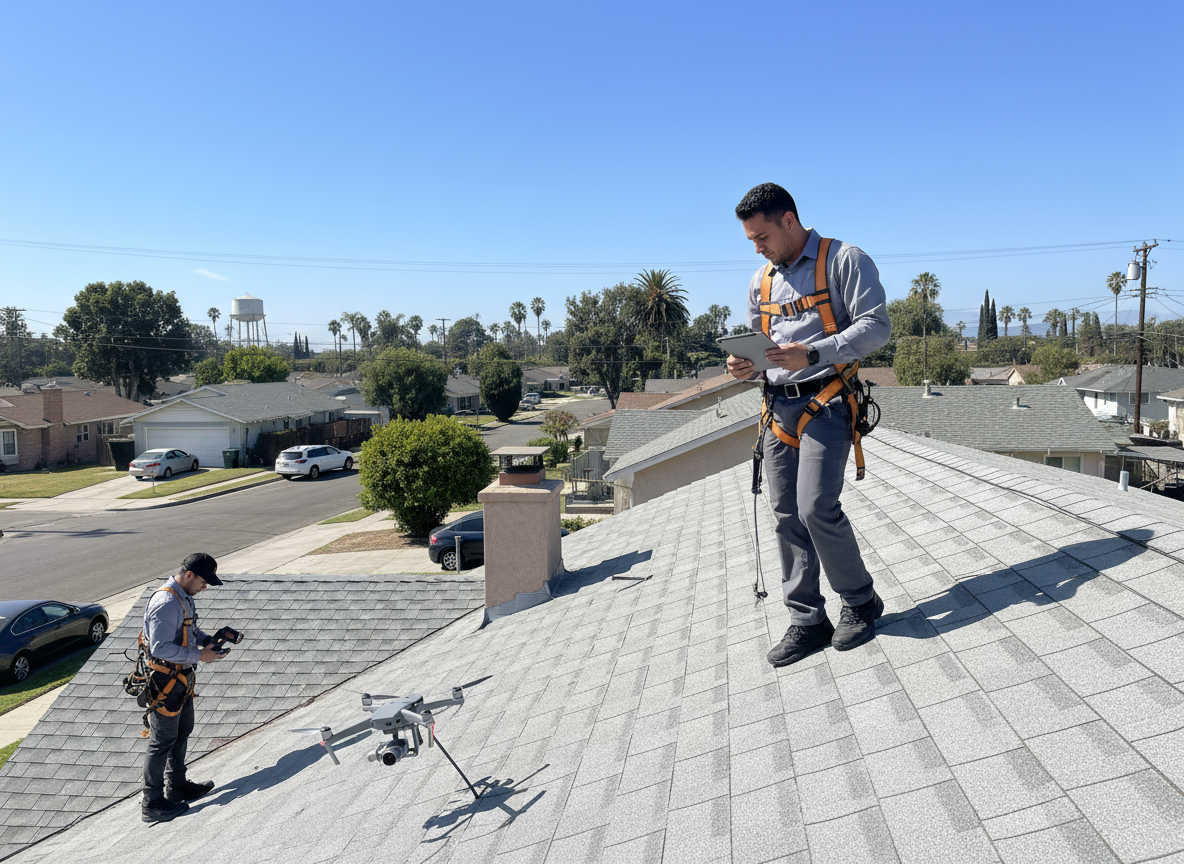
Lynnwood homes, especially those built in the 1960s through 1980s along Highway 99 and in the Alderwood Manor area, often feature asphalt shingle roofs that take a beating from constant Pacific Northwest rain. Moss and algae thrive on north-facing slopes where sunlight rarely reaches, trapping moisture against the shingles and accelerating rot in the underlayment. A proper inspection walks the roof when safe, checks attic ventilation, and looks for soft spots around plumbing vents and skylights that homeowners rarely notice from the ground.
Snohomish County building codes require proper flashing and ventilation that many older properties lack after decades of patchwork repairs. Inspectors pay close attention to chimney saddles, valley metal, and eave overhangs where wind-driven rain commonly enters. In neighborhoods near the Alderwood Mall or along 44th Avenue West, mature trees drop debris that clogs gutters and creates hidden ice dams during rare freezes, leading to interior staining that appears long after the actual damage begins.
Terrain in parts of Lynnwood includes gentle slopes that cause water to pool rather than shed quickly on low-pitch roofs. This makes early detection of granule loss and shingle curling critical before full replacement becomes necessary. Inspections include drone or ladder access to document every section, producing a written report with photos that owners can use when dealing with insurance or planning future work.
Seasonal Considerations
Fall inspections catch leaf buildup and early moss before winter rains arrive. Spring checks after heavy storms reveal lifted shingles or displaced ridge cap that wind events create on exposed ridges near the Interurban Trail corridor.
Technician insight
In Lynnwood, the thing that catches most people out with roof inspection services is how quickly moss on the shaded sides of 1970s split-levels along 44th Ave W holds water against the shingles. Homeowners walk the yard after a storm and think everything looks fine until the attic insulation starts showing brown stains months later.
Leak Concern on 44th Ave West Rambler
Homeowner noticed ceiling stains after a series of November rains. Inspection found lifted valley metal and heavy moss buildup trapping moisture on the north slope. We removed the moss, replaced the damaged flashing sections, and confirmed the decking remained sound underneath.
How it works
- 1
Initial Visual Assessment
Walk the property perimeter to note gutter condition, downspout flow, and any visible sagging or granule accumulation in yard beds.
- 2
Roof Access and Surface Scan
Use ladders or drone to examine shingles, flashing, valleys, and penetrations for damage, moss, or lifted edges.
- 3
Attic and Ventilation Check
Enter the attic to inspect underside of decking for moisture stains, mold, or inadequate airflow through soffit and ridge vents.
- 4
Report and Recommendations
Compile findings into a clear document with photos and prioritized repair suggestions based on observed conditions.
Pricing
Upfront quotes provided after the inspection based on roof size, pitch, and access needs.