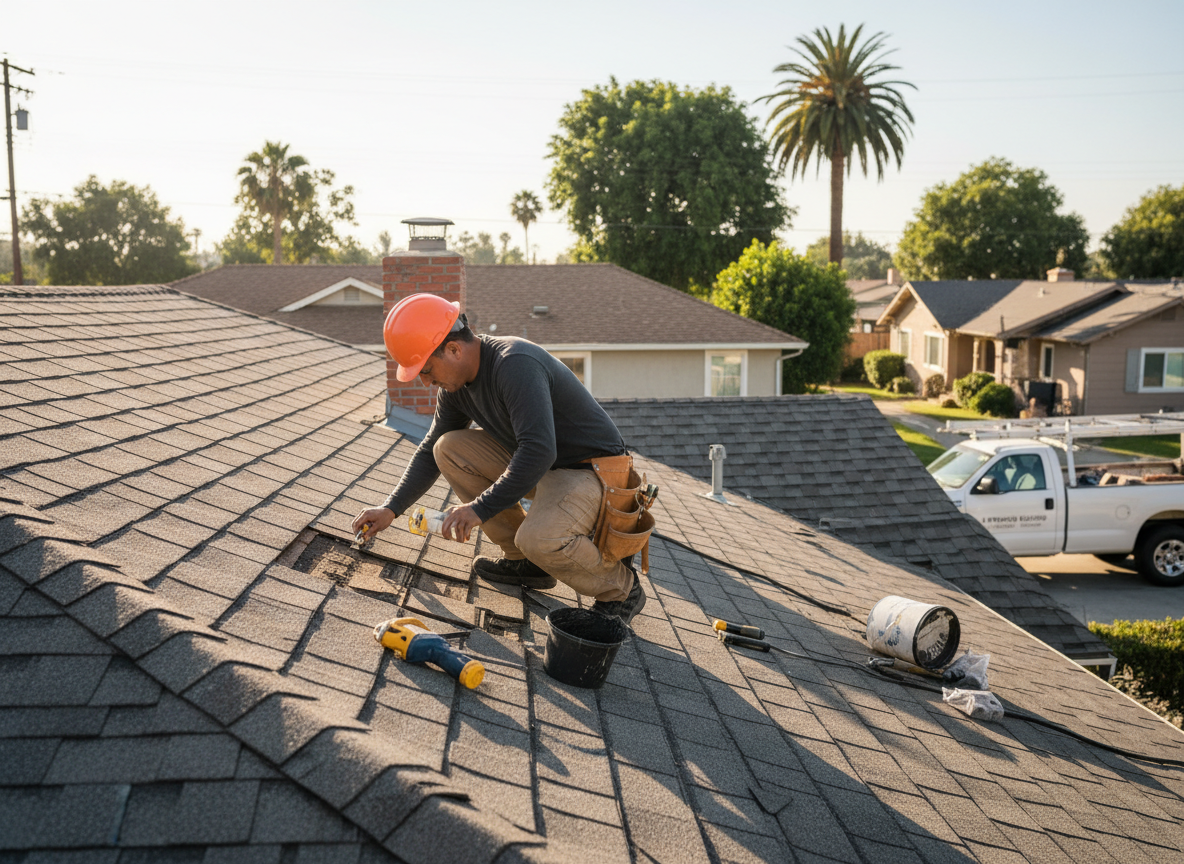
Lynwood homes built from the 1960s through the 1990s often carry asphalt shingle roofs that have endured decades of Pacific Northwest rain and occasional heavy snow loads. When leaks appear near valleys or around plumbing vents, the underlying cause is frequently deteriorated underlayment or flashing that no longer sheds water during sustained winter storms. Skynvex Apex crews start by lifting select shingles to inspect decking without unnecessary removal, then address only the compromised sections so the rest of the roof stays intact.
Wind-driven rain common along the Highway 99 corridor can force water under ridge caps and step flashing on split-level homes found in the Alderwood Manor and Martha Lake neighborhoods. Repair crews carry pre-formed metal pieces sized for the steeper pitches typical in these areas and seal them with compatible mastic rated for constant moisture. Homeowners sometimes attempt sealant-only fixes from big-box stores; those patches rarely hold once temperatures drop and the material contracts.
Snohomish County code requires permits for any roof work exceeding 100 square feet, and inspectors check for proper nail spacing and ventilation ratios. Skynvex Apex pulls permits when the repair scope triggers them and schedules the inspection so the homeowner is not left coordinating with the county. This keeps the job moving and prevents future issues when the home is sold.
Seasonal Considerations
Roof repairs scheduled before the October rains begin allow crews to work on dry decking and finish before standing water becomes an issue. Spring checks after snowmelt often reveal lifted shingles or ice-dam damage along eaves that went unnoticed during winter.
Technician insight
In Lynwood the thing that catches most people out with roof repair is hidden rot along the eaves on 1970s ramblers. The constant drip from clogged gutters soaks the fascia and deck edge long before any interior stain shows up, so what starts as a two-square fix often turns into a fascia and plywood replacement once we open it up.
Martha Lake Leak After Windstorm
A homeowner in the Martha Lake neighborhood noticed water stains on the ceiling after a November wind event. We found lifted shingles and torn step flashing where the addition met the original roof. We replaced the damaged flashing, reinstalled matching shingles, and sealed the transition. No further leaks appeared during the rest of the rainy season.
How it works
- 1
Initial Assessment
Technician climbs the roof to map all visible damage, checks attic for water stains, and notes ventilation and insulation conditions.
- 2
Scope Definition
Crew explains which sections need replacement versus patching and identifies any code-triggered items such as updated flashing.
- 3
Material Procurement
Matching shingles and underlayment are pulled from local suppliers so color and texture align with the existing roof.
- 4
Repair Execution
Old material is removed only where necessary, new decking is installed if rot is found, and all penetrations receive new flashing.
- 5
Final Walk-Through
Homeowner inspects the completed area from the ground and attic; any remaining debris is removed from the property.
Pricing
Upfront written quotes provided after on-site inspection; final cost depends on square footage affected, decking condition, and whether permits are required.